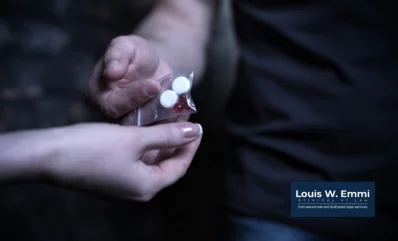

If you are facing drug charges anywhere from Pittsburgh and Erie to Harrisburg, Scranton, or Philadelphia, understanding drug possession penalties in Pennsylvania by drug schedule is critical. Pennsylvania’s controlled substance laws classify drugs into five schedules, and those classifications often influence how prosecutors charge a case and how aggressively they pursue penalties.
An experienced Pennsylvania drug possession attorney can evaluate your situation, explain your rights, and build a defense tailored to your circumstances.
Why Drug Schedules Matter in Pennsylvania
While drug offenses decreased by 3% in 2024, one American is still arrested every 40 seconds for related crimes. In Pennsylvania, controlled substances are grouped into Schedules I through V according to factors such as their accepted medical use and potential for abuse. Pennsylvania regularly updates these schedules to reflect legislative changes and public health concerns. While a drug’s schedule is important, it is only one piece of the puzzle. Prosecutors also consider:
- The type of substance allegedly possessed
- The quantity involved
- Whether there was evidence suggesting intent to deliver
- Your prior criminal history
- Whether the possession occurred near a school or other protected area
- Whether multiple criminal charges apply
For that reason, no two drug cases are exactly alike.
Schedule I Drugs
Schedule I substances are considered to have the highest potential for abuse and no currently accepted medical use under Pennsylvania law. Examples may include:
- Heroin
- LSD
- MDMA (Ecstasy)
- Psilocybin mushrooms
- Certain synthetic drugs
Although possession charges involving Schedule I drugs can carry significant consequences, prosecutors must still prove every element of the alleged offense beyond a reasonable doubt. Potential consequences include:
- Criminal misdemeanor or felony charges depending on the facts
- Jail or prison exposure
- Significant fines
- Probation
- Loss of employment opportunities
- Professional licensing issues
- Immigration consequences for non-citizens
Schedule II Drugs
Schedule II drugs have recognized medical uses but carry a high potential for abuse and dependence. Common examples include:
- Cocaine
- Methamphetamine
- Fentanyl
- Oxycodone
- Hydrocodone
- Morphine
Many Schedule II cases arise after traffic stops, searches of residences, or investigations involving prescription medications. A valid prescription can dramatically change the legal analysis. However, possessing someone else’s medication or possessing prescription drugs without authorization may still result in criminal charges.
Schedule III Drugs
Schedule III substances generally present a lower abuse risk than Schedule I or II drugs while maintaining accepted medical uses. Examples may include:
- Certain anabolic steroids
- Ketamine
- Some medications containing codeine
- Xylazine, which Pennsylvania added to Schedule III in recent legislative updates.
Although Schedule III drugs often carry less severe penalties than higher schedules, a conviction can still leave a lasting criminal record that affects housing, employment, and educational opportunities.
Schedule IV Drugs
Schedule IV substances are commonly prescribed medications with lower abuse potential. Examples include:
- Alprazolam (Xanax)
- Diazepam (Valium)
- Lorazepam (Ativan)
- Tramadol
- Zolpidem (Ambien)
Many Schedule IV possession cases involve misunderstandings regarding prescriptions, expired prescriptions, or medications carried by someone other than the individual to whom they were prescribed.
Schedule V Drugs
Schedule V substances generally have the lowest abuse potential among controlled substances. Examples include:
- Certain cough medicines containing limited amounts of codeine
- Some anti-diarrheal medications
- Other low-dose controlled medications
While these drugs are considered less dangerous under Pennsylvania law, unlawful possession can still lead to criminal prosecution.
Penalties Depend on More Than the Drug Schedule
Many people assume the schedule alone determines punishment. In reality, Pennsylvania courts examine numerous factors before sentencing. A judge may consider:
- Whether this is a first offense
- The amount of drugs involved
- Whether minors were present
- Whether weapons were allegedly involved
- Compliance with previous court orders
- Eligibility for diversionary programs
In some situations, individuals may qualify for alternatives that focus on rehabilitation rather than incarceration.
Long-Term Consequences of a Conviction
The immediate penalties are only part of the picture. Even after completing a sentence, a conviction may continue affecting your future. Collateral consequences can include:
- Difficulty finding employment
- Problems obtaining professional licenses
- Loss of educational opportunities
- Housing application denials
- Higher insurance costs
- Firearm restrictions in certain cases
- Damage to personal and professional reputation
These consequences often last much longer than any jail sentence, making an aggressive legal defense especially important.
FAQs
Will a Drug Possession Charge Appear on a Background Check?
In many situations, pending charges and convictions may appear during employment, housing, or licensing background screenings. The extent of what is reported depends on the type of check performed and whether the record has been sealed or otherwise addressed through available legal procedures. Prompt legal guidance can help you understand your options.
Can a Drug Be Moved to a Different Schedule?
Yes. Drug classifications are not always permanent. Legislatures and regulatory agencies in PA may reclassify substances as new medical research, public safety concerns, or legal developments emerge. If a drug’s schedule changes, it may affect future prosecutions, though it does not necessarily alter the outcome of previously resolved cases.
Why Is Identifying the Correct Drug Schedule so Important?
In a Pennsylvania drug possession case, an accurate classification helps determine which statutes apply and shapes how prosecutors evaluate the allegations. Misidentifying a controlled substance or its schedule can create significant legal issues that may affect charging decisions, plea negotiations, and the overall strategy used to defend the case.
Can a Small Amount of a Schedule I Drug Still Result in Serious Charges?
Yes. Even when only a small quantity is involved, the alleged possession of a Schedule I controlled substance can lead to significant legal consequences in PA. The amount may influence certain aspects of the prosecution, but the type of drug and the surrounding facts remain important considerations throughout the case.
Hire a Drug Possession Lawyer Today
A drug possession charge in Pennsylvania can put your freedom, finances, career, and reputation at risk—but you do not have to face the criminal justice system alone. The sooner you act, the more opportunities your attorney may have to challenge the evidence, protect your rights, and pursue a positive outcome.
Louis W. Emmi, Attorney at Law, provides free consultations to discuss your case, answer your questions, and explain your legal options. If you are ready to hire a drug possession lawyer who will work to protect your future, contact our office today and take the first step toward safeguarding what matters most.